美国:
(888) 246-4212
微信:
ABCDREAMS
首页
关于我们
公司简介
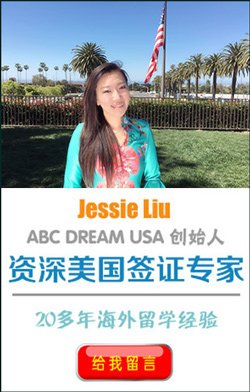
创始人Jessie
成功案例
服务项目
EB5申请F1
美国学生签证
旅游签B1B2转F1
美国生活安排
申请美国学校
紧急转学
留学攻略
美国签证
投资移民
注意事项
最新政策
博客文章
美国学校
美国生活
旅游体验
成功案例
联系我们
首页
关于我们
公司简介
创始人Jessie
成功案例
服务项目
EB5申请F1
美国学生签证
旅游签B1B2转F1
美国生活安排
申请美国学校
留学攻略
美国签证
投资移民
注意事项
最新政策
博客文章
美国学校
美国生活
旅游体验
成功案例
联系我们
在家轻松提升英语水平
报名美国本地语言学ESL
证书课程
梦想起航
申请网课
不放心孩子独自留美
办理陪读签证
梦想起航
申请网课
实现美国留学梦
旅游签转学生身份随签随学
梦想起航
申请网课
投资移民提前赴美
不再等待 让梦想起航
梦想起航
申请网课
把握入学时间
立即申请美国学校奔向未来
梦想起航
申请网课
定期举行国内交流会
现场咨询提供解决方案
梦想起航
申请网课
想去美国留学?
你的解答在这里!
开始规划
不再迷惘,速办签证
2022紧急推出
疫情下的美国留学办法
不再迷惘,速办签证
留学之梦,始于
ABC DREAM USA
位于美国本土
资深签证顾问团队
经验丰富的美国留学专家
美国专业律师团队
为您的情况做精准分析
一对一定制解决方案
微信沟通效率高
赴美读书工作 你需要具备这些优势
旅游签转学生身份
B1与B2签证是短期的美国商务和旅游签证,通常在有效期限之内准许多次往返。而 F1为美国学生签证,一般有效期为5年,可停留的时间比旅游签证长很多,但是限制也较多。所以在B1、B2转F1签证时也要注意很多东西。
梦想起航
投资移民提前赴美
在拿到绿卡等待期间,很多人都会想要做些什么。其实,这段时间至关重要,很多人要踏上美国土地,对于语言、生活各方面都需要适应期,所以我们建议先申请F1学生签证,然后选择合适的语言学校就读,提高适应能力。
梦想起航
优质语言课程
美国文化多元,随着留学生人数的快速成长,语言学校的选择也增加了许多,但是往往品质参差不齐。Jessie 特地为大家整合了以下几项取决因素,让大家在更清楚地选择语言学校,选择适合的语言课程。
梦想起航
客户感言
女儿赴美读书 母亲陪读
作为一个母亲真不放心小女儿一个人来美国读书,想尽各种办法陪读孩子。我们找到Jessie,她很耐心的和我们讲解。从申请到拿到签证一直是通过微信沟通。一开始我有点担心,他们不在中国,万一联系不上怎么办?每次我有问题,虽然有时差,但回答也很及时。我们约好时间,语音沟通过多次,我最终顺利拿到学生签证,孩子拿到F2签证。特别在到达美国之后,对我们的生活也给了很大帮助。住宿,考驾照等。非常感谢Jessie对我和孩子的帮助。
杨女士
来自上海
更多案例
橘郡海岸音乐学院进修
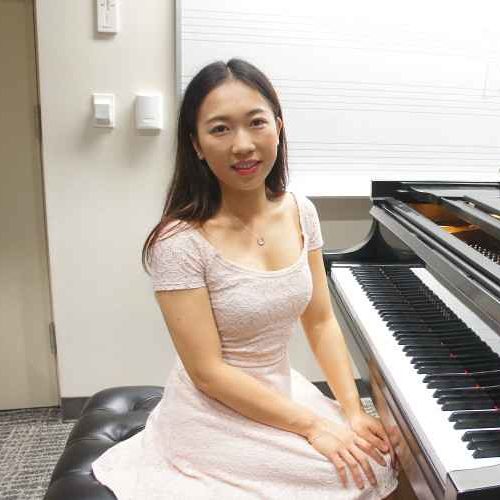
大家好,我叫黄涵悦,来自中国广西柳州,毕业于天津音乐学院(本科)。我的梦想是到美国进修音乐。当初英语水平不高,不是那么有信心,非常担心签证不通过。在Jessie的细心培训与安排下,我终于顺利于2013年来到美国南加州,在AOI语言学校就读一年半的英语课程。期间非常感谢Jessie的密切沟通以及耐心回答我的疑虑,让我非常感动。最后顺利进入橘郡海岸学院进修音乐,目前我住在尔湾,在这里找到一份教钢琴的工作。
黄同学
天津音乐学院
更多案例
13
年
多年口碑
50
全美排名
高等学府合作
92.7%
成功率
高通过率
50
州
业务范围广泛
成功案例
转学成功案例
李同学刚来美国,生活各方面可能不是很适应,诸多因素加在一起使得学习不是很顺利。学期结束后突然接到学校的通知,如果不转学可能会面临遭到开除的情形。
梦想起航
投资移民提前赴美成功案例
来自深圳的张先生年约 39 岁,为一经营香港酒店的商务人士,并担任高管阶层的职位。此张先生想来到美国提高英文水平,也藉此探索在美国发展做酒店生意的机会。
梦想起航
陪读签证成功案例
来自山东烟台的刘妈妈为单身妈妈,多年以来独自抚养10岁的孩子,一路走来不易。天下父母心,为了让孩子能受到更高品质与国际化的教育,开始有了让 孩子到美国学习的想法。
梦想起航
实现美国梦想,就从这里起航!
申请学生签证
挑选好学校
初到美国
美国转身份
紧急转学
EB5申请F1
申请奖学金
热门文章
2021 F1签证最新申请指南
F1签证为学术类留学签证,专给要在美国念大学丶学院丶语言学校或小学丶中学等的国际学生申请。申请者必须在美国政府认证的学校注册,课程必须是为了取得学位或证书等的学术性课程。对于许多人感兴趣的语言学校,需要申请的是F1签证,短期语言课程通常随时开课,随签随学。继续阅读了解
最新申请程序
。
有哪些常见误区
申请美国学生签证
十大常见误区
需提前多久完成学校和签证申请呢?
若你是希望隔年9月可以到美国念本科或研究生的话,大约于今年年底就要完成学校申请啰!每间学校的秋季报名申请期限大约都落在12-1月。语言学校则比较弹性,大部分语言课程都有开春季和秋季课程,计画前往不必等!收到学校Offer后,学校会给予一份I-20表格,Jessie建议拿到I-20就可以开始签证申请程序。这会是比较耗力耗时的阶段,但也不用紧张,太早拿到反而无法入境美国。更多申请美国留学签证讯息请参考
美国留学签证申请指南
美国学生签证程序是什么?
准备申请材料。拿到美国学校Offer后,学生应在线填写非移民签证电子申请表(DS-160)→完成后预约签证面试→准备材料(缴费及各式所需证明)→至预约领事馆进行面签。申请过程并不复杂,但能不能通过是重点,继续阅读以了解如何
成功申请通过
。
需要准备哪些材料
F1签证申请必备及相关补充,获取F1签证,你需要准备如下
资料内容
签证面试好紧张,该如何准备?
签证官的重要职责是什么呢?筛选不符合签证条件的申请者。签证官在面对留学签证申请者,无非是问与你相关的问题,好好准备如何解释你的过往经验、申请原因、学习计画…等,诚实地表达,避免提及与你申请的签证相牴触的信息。继续阅读更多
通过签证面试的技巧
。
遇到签证官电话调查怎么办?
2017年新总统上任,相信大家也有听说从二月开始美国大使馆将严格实施签证电话调查。Jessie 最近已经陆陆续续听到一些申请人被抽到电话调查,惊吓之余似乎都回答得挺好的,申请人大多仍然抱持着乐观的态度等着领签证,有些也已经领到签证了,
继续阅读
自行申请签证有哪些风险?
留学理由不合理、面试回答不妥、材料准备不当、错误认知、选错学校或选错课程等都是可能造成签证申请失败的原因。我们将深入探讨如何避免错误,
顺利取得签证
。
申请F1签证,旅游签被取消
为什麽旅游签证被取消? 拿旅游签证的意图, 不管是探亲丶 旅游丶 出差,出入境美国的时间移民局在网上都有纪录可查。移民局能够随时调出纪录查看每个申请人到美国旅游期间所从事的活动以及停留时间。
探讨
。
如何挑选好的学校?
不论你是为孩子选择学校,或是为自己选择一间语言学校,首先你应该评估自身的经济和优先条件。无论是公立、私立大学、文理学院或社区大学,其实在学校排名、地理位置、学校的专业设置上都各有优势,如何能展现你的优势,值得深思。
继续阅读
了解加州热门学校。
美国公立或私立学校好?
美国公立或私立学校的教育质量并没有很大区别,在定校时不需要给自己太多的限制。普遍来说,公立学校的优势是学费较低,注重研究成果,学生多激发出来的火花也多;私立学校人数较少,多采小班授课,学生能个别享受到更多学校和教学资源。继续阅读
热门留学十大州
。
美国东西岸留学差异
东岸是美国商业最发达的地区,都市化程度高,哈佛、耶鲁等名校云集。美国东岸是美国发展较早的地区,也因此,东部城市地区的人口密度相对更高。西岸的私立专业机构是普遍被国际学生所肯定的,特别是在科学、技术、工程和数学方面,气候要比东部更温和些。继续阅读
决定东岸或西岸留学更适合您
。
如何选择语言学校?
有些同学只是在国内线上搜索就选定学校,来到了美国之後才发现学校可能不如所预期中美好,例如环境复杂丶学校很远造成通勤不方便或是寄宿家庭品质不好等。继续阅读了解
如何选择优秀的语言学校
。
为什么留学生爱加州?
留学从地理、气候、人文条件来说,加州无疑是美国留学的最佳首选,除了有世界一流的大学、风光明媚的气候、举世闻名的海滩、高品质的居住环境,加州也是多元文化融合的地方。究竟加州为什么这么受留学生欢迎?
继续阅读
。
大一预备课程
创校于1965年,总学生人数达33,000多人。位于加州橘郡欧文市(Irvine)的UCI是一所享誉盛名的美国顶尖学府。在全美各大学中有着杰出的排名。UCI国际大一预备课程 (IUPP) 为学生提供了
密集大学预备课程
以及升学咨询服务。
语言学校ESL课程
南加州气候宜人,亚洲美食点集中, 居住环境良好,加上观光景点众多,因此成为多数华人来到美国的首选。不论遊学或是留学,南加州更有多家知名高等学府,提供多元的语言课程,既可加强英文流利度,也更能融入南加州的人文气息。继续阅读了解
加州语言学校优势
。
全美最适合留学十大城市
在众多美国大学中要找出最适合自己的才是最重要的。除了师资、地理位置、气候、饮食都必须综合考量。QS世界大学综合排名,针对生活机能、学术活动和就业机会,列出了美国最受欢迎和,提供给正决定要在哪里攻读大学、研究生或专业进修的你参考。
最吸引留学生十大州
有越来越多人意识到:没有研究生学位或美国名校出生,在国内工作实在很难有选择的权利。不论你是为了将来回国工作或是为了孩子而到美国进修,这十大州是留学生们的留学首选。
继续阅读
。
申请美国学校该具备哪些条件?
你是否内外兼具?申请美国学校该具备的条件大致可分成两方面来讨论:外在实质条件与内在个人条件。外在条件为学校与移民局所规定,为必要条件。内在条件为个人特质,并非必要,但如果俱备某些特质,你的美国求学路会更顺遂。
继续阅读
前后该做什么准备?
赴美留学,道路不易,且行且珍惜。同学们已经申请好美国学生签证了吗? Jessie特地为大家总结留学美国前後该做的准备,希望同学们在出发前能做好万全准备,减少出发後的未知数,让大家的美国留学生活都能顺利地上轨道。
继续阅读
出发前有哪些注意事项?
赴美留学,道路不易,且行且珍惜。自2015年1月至2015年11月期间,我们根据这期间就读AOI语言学校的中国留学生调查发现,最贴切生活和必须提醒大家注意的3件事情进行总结,
继续阅读
入境要带哪些证件?
有效的护照、签证、I-20表格、学校录取通知书、财力证明、I-94表格、托福、雅思等英文成绩单、体检报告、免疫证和其他健康文件、紧急连络人的联系方式等。继续阅读了解更多
留学准备信息
。
入境表格怎么填?
即将要入境美国了,能不能顺利入境,在表格填写与文件准备上都不可马虎。现在入境美国的程序因电子化已变得很简单,因此入境时只需填写一份美国海关申报表。无论你是美国公民还是游客,在入境美国时都必须填写一份海关申报表(蓝色)。继续阅读了解
如何填写入境表格
。
担心无法跟上课业,如何維持高 GPA ?
努力之余,绝对是要量力而为的,了解自己的优势与弱势,选择对自身有利的课程。 GPA也并非一蹴可及,千万别轻忽平时的上课态度,也别忽略与教授建立关系,例如上课多发言、多利用Office Hour发问或与教授互动。继续阅读更多
提升GPA的小技巧
。
第一个学期如何准备
初到美国留学,第一学期是相当关键的几个月,这将奠定你对未来大学生活以及毕业后升学或求职的一种态度。一步一步探索自己对学习和留学生活的方式,学习生涯规划,将是你留学的第一步及大学期间最重要的课题!
继续阅读
。
美国校园生活与国内的不同
美国校园的学习风气是活泼的,老师非常鼓励每个学生与同学和老师公开讨论课程内容,或是在课前主动为将要讨论的主题做准备,因为课程参与是美国教育制度的重要部分,学生也相当乐于参与。
继续阅读
。
美国食衣住行全攻略
开始计划到美国留学和生活后,除了心情亢奋难以平复之外,真的还有非常多事情要准备如:F1签证、入学资料、保险、打包行李…等等。在国外要如何购买生活杂货?要如何上下学?要住哪里?继续阅读
美国生活不可或缺的指南
。
转身份为什么旅游签被取消?
今天有个F1学生签证申请人心急如焚地跑来告知Jessie他的美国B1B2旅游签证被取消了! 因此Jessie决定紧急发文,跟大家分享这个案例,希望能帮助大家避免遇到同样棘手的情形。
继续阅读
转身份的优缺点
转身份较常见的有B1转F1签证,B2转F1签证。举例来说,可能一开始来美国只是想要旅游,行程结束後受到美国文化与优良生活环境的吸引,决定留在美国留学读大学,而开始有在美国境内转身份的计划。
继续阅读
能拿旅游签先入境再转身分留美国吗?
建议您先在国内申请F1学生签证,再以学生身分赴美。在美国转身分的确可行,但改变入境目的可能会影响到您的个人信誉。若长远是希望申请移民,建议不要掉以轻心、因小失大。继续阅读
成功申请F1的案例
。
如何在美国转身份?
B1与B2签证是短期的美国商务和旅游签证,通常在有效期限之内准许多次往返。而 F1为美国学生签证,一般有效期为5年,可停留的时间比旅游签证长很多,但是限制也较多。
继续阅读
我适合那种签证申请方案?
美国签证有许多种,又分为移民类签证和非移民类签证,而在美国境内转身份是没有签证可领的。因此在转身份之前,必须详细评估未来的计划以及留学的目的,以避免转身份后的诸多限制。详细了解
签证种类
。
美国转学步骤与要领
上课时间要到了,你是不是每天都拖着沉重的脚步到校园? 老师讲课内容太快,有点跟不上。考试前没日没夜的准备,我已经很努力了,还是成绩不理想。学校环境让我感到很不自在,似乎很难跟当地学生融入。我刚来美国,人生地不熟,国内中介又把我安排偏远地区的校园,感觉我似乎是做了错误的决定。继续阅读了解
如何转学
。
学校通知我紧急转学,如何保持学生签证身分?
美国学校通知紧急转学时,首先要确认I-20是否仍有效以及何时到期。有些学校是立即终止学生的I20,有些会给15天宽限期。
若是已经失去合法的学生身分,我们需要立即做紧急转学;若是I20仍有效则比较幸运些,我们可以在24小时为你快速拿到新学校Offer做身分恢复。继续阅读我们的
转学成功案例
。
转学成功案例
接到学校通知後,李同学心急如焚,担心美国学生身分转黑,一开始真不知从何着手。转学需要准备什麽材料?需要多少时间?转学之後是否还能重新申请原本的学校?该转到什麽学校?李同学心里充满了未知数。继续阅读了解
如何成功转学
。
出席率不足或违反学校规定
成绩不达标准、出席率不够、报告抄袭等违反学校规定的行为,都有可能导致学校通知转学。若没转学成功,可能会导致学生签证的丧失。
继续阅读
了解哪些行为违反校规。
投资移民的种类有哪些?
美国投资移民申请大致可以分两种:一是具有50至100万美元资金和项目者;二是L1工作签证的高级主管或真正在美国具有公司/分公司者可进行申请。继续阅读我们的
成功案例
。
EB5与F1能同时申请吗?
EB-5签证是美国移民局提供给想要在美国投资的外国人获得美国公民绿卡的投资移民方案。投资移民方案的主要目的在于增加美国当地就业机会并促进经济成长。投资人可全家移民,包括投资人丶配偶与未满21岁的未婚子女。
继续阅读
成功率高吗?
来自上海的王先生,现年37岁,从事电信行业,在递交了EB-5投资移民的申请后,想要在等待拿绿卡的同时申请F1学生签证,目的是为了可以到美国学习语言适应当地生活。
继续阅读
财团奖学金是什么?申请条件?
财团奖学金是由美国非营利组织所设立,其宗旨在于促进国际教育交流,希望每个学生都能获得平等的教育机会。目前申请免托福、高签证通过率、高额奖学金证书提高就业升学率、优质院校任你选。
继续阅读
申请美国奖学金五大误区
误区一、成绩优异才有资格申请美国奖学金 误区二、申请奖学金过程漫长又复杂 误区三、申请条件好像很严苛 误区四、签证都不一定通过了,更别想奖学金了 误区五、抱着大概拿不到的心态。继续阅读了解为什么
原来你也符合奖学金资格
。
拿奖学金,稳拿F1学生签证
2019年是许多想申请美国留学签证的学生们战战兢兢的一年。美国移民局政策缩紧,在多重条件更加严峻的情况下,有意赴美留学的学生可转向申请美国留学奖学金,再申请学生签证,除了经济压力可减轻许多,
获签F1留学签证
的机会也将大幅提升。
十大热门话题关键词
留学生入境美国
美国转身份
F2签证
F1签证
美国入境表格
投资移民提早赴美
美国语言学校申请
美国转身份
投资移民美国
美国加州语言学校
美国留学奖学金
联系我们
资深美国留学和学生签证专家根据多年案例经验,坐镇美国本土为您做最精准的评估分析。
梦想起航
博客文章
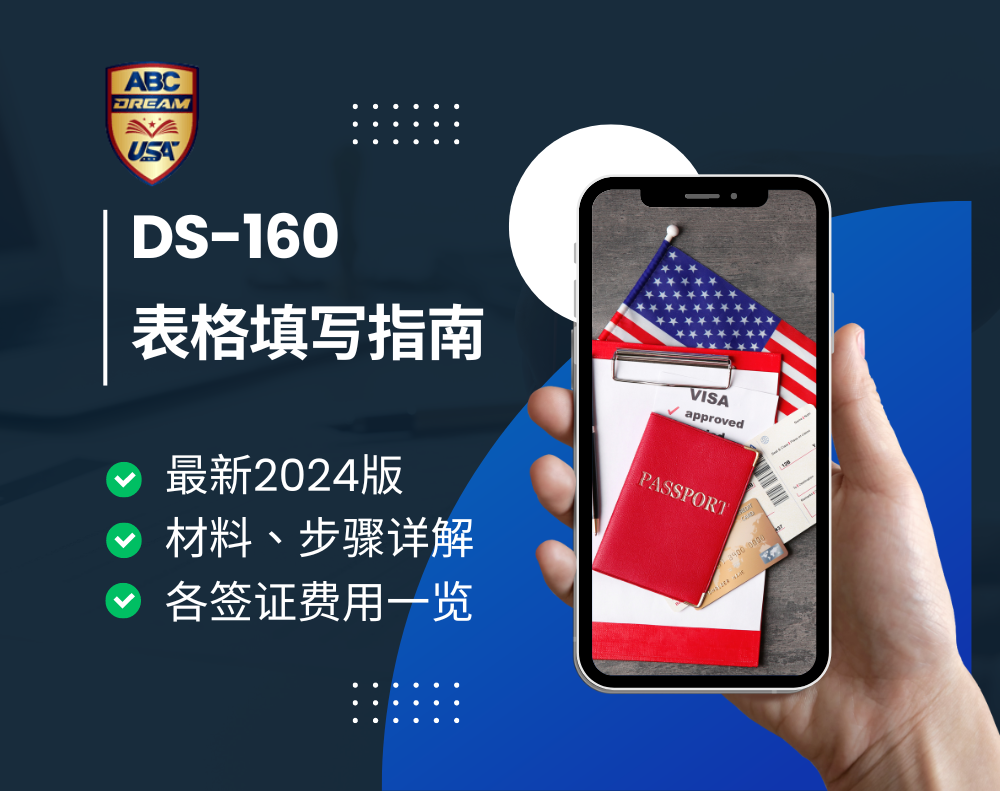
DS-160在线表格填写2024,手把手教你
2024 年最新 EB-5 申请指南
2024 年 3 月美国移民排期出炉|最新更新一次看
美国投资移民指南:EB-5 中英词汇总览
2024 年 2 月美国移民排期出炉|解析一次看
2024 财政年度 EB-5 签证配额解析
1
2
3
…
57
Next »
常见问题
在美国转身份跟在国内申请学生签证有何不同?
在美国境内将旅游签转学生身份是没有签证可拿的,并且五年之内不得离境。在国内申请美国学生签证属正常程序,移民局将发放学生签证,在美期间可自由出入境,这是比较正规的做法。详情请看
这里
。
什么是陪读签证?
在美国境内将旅游签转学生身份是没有签证可拿的,并且五年之内不得离境。在国内申请美国学生签证属正常程序,移民局将发放学生签证,在美期间可自由出入境,这是比较正规的做法。详情请看
这里
。
造成签证被拒最大的原因是什么?
材料不实、移民倾向、申请理由不当。如果你准备的材料与实际情况不符,很有可能会被签证官查出违反事实,造成签证被拒。而证明你没有移民倾向最好的方法就是出示证明,表示申请人与祖国之间有着不可分割的约束力,使得申请人可能因为家人、公司或财产等因素在结束美国行程之后仍必须返国。
申请F1美国学生签证通过的关键是什么?
材料准备齐全、面试准备充分、理由极度合理。面试是很多申请人最紧张的环节。只要能做充分准备,
回答充满自信
,对自己的申请理由不支支吾吾,在我们的培训之下一般都能通过。
申请美国留学签证有最高年龄限制吗?
美国留学签证并无年龄上限。年龄大,一样能申请美国学生签证。在西方国家的文化鼓励活到老学到老。我们拥有许多
成功案例
。
EB5投资移民跟F1能同时申请吗?
可以的,这两者并不互相抵触。投资移民排期长,在递交EB5之后的等待期间可申请
F1签证
提早到美国适用生活。就算F1签证被拒也不会影响EB5的申请。
申请语言学校需要托福成绩吗?
不需要,申请语言学校的目的是为了提升英语水平,因此没有托福成绩的要求。想知道如何选择好的语言学校请看
这里
。
出国留学最主要的障碍是什么?
材料准备齐全、面试准备充分、理由极度合理。面试是很多申请人最紧张的环节。只要能做充分准备,
回答充满自信
,对自己的申请理由不支支吾吾,在我们的培训之下一般都能通过。
精彩活动
最新文章
EB5 签证排期表怎么看?排期查阅教学大公开
DS-160在线表格填写2024,手把手教你
2024 年最新 EB-5 申请指南
2024 年 3 月美国移民排期出炉|最新更新一次看
美国投资移民指南:EB-5 中英词汇总览
2024 年 2 月美国移民排期出炉|解析一次看
快速链接
Menu
关于我们
关于Jessie
美国F1签证
语言学校
美国生活
网站地图
隐私政策
close
免费签证评测
Copyright © 2024 ABC Dream USA. All Rights Reserved.
17595 Harvard Ave C2480, Irvine, CA 92614
close
arrow-circle-o-down
check-square-o
arrow-right
bars
angle-down
chevron-circle-down
ellipsis-v